
What Is Adenomyosis?
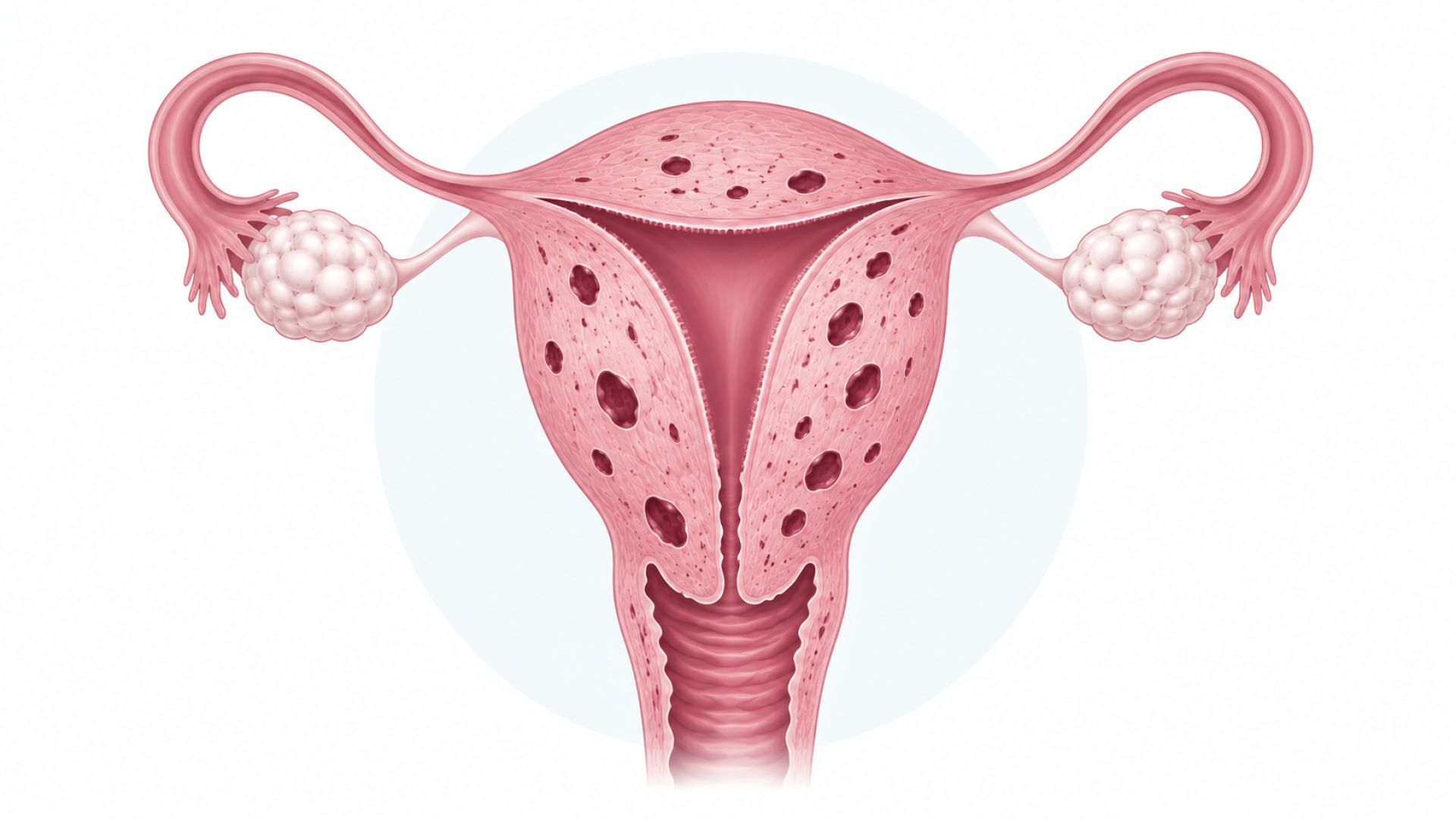
Adenomyosis is a gynecological condition in which endometrial-like tissue grows within the muscular wall of the uterus, known as the myometrium.
This abnormal tissue growth may cause enlargement of the uterus, chronic inflammation and alterations in uterine function.
Adenomyosis commonly affects women during reproductive age and may coexist with other reproductive disorders such as endometriosis.
What Causes Adenomyosis?
The exact mechanisms underlying adenomyosis are not fully understood.
Several biological processes have been proposed, including:
- invasion of endometrial tissue into the myometrium
- hormonal dysregulation
- chronic inflammation
- altered uterine repair mechanisms
- genetic and molecular factors
The disease is considered complex and multifactorial.
Common Symptoms of Adenomyosis
Symptoms may vary considerably between individuals.
Common manifestations include:
- heavy menstrual bleeding
- painful menstruation
- chronic pelvic pain
- enlarged uterus
- infertility
- pain during intercourse
Some patients may remain asymptomatic despite significant uterine changes.
How Does Adenomyosis Affect Fertility?
Adenomyosis may influence fertility through several mechanisms.
Potential effects include:
- altered uterine contractility
- chronic inflammation
- impaired endometrial receptivity
- disrupted implantation
- abnormal immune signaling
The condition may negatively affect both natural conception and assisted reproductive treatments.
Adenomyosis and IVF
Research suggests that adenomyosis may influence IVF outcomes in some patients.
Possible associations include:
- lower implantation rates
- increased miscarriage risk
- altered embryo-endometrium interaction
However, reproductive outcomes vary depending on disease severity, age and treatment strategy.
Modern reproductive medicine increasingly uses individualized approaches for patients with adenomyosis.
How Is Adenomyosis Diagnosed?
Diagnosis typically involves:
- clinical evaluation
- transvaginal ultrasound
- magnetic resonance imaging (MRI)
Imaging technologies have significantly improved non-invasive diagnosis of adenomyosis.
Treatment Approaches
Treatment depends on:
- symptom severity
- reproductive goals
- patient age
- disease extent
Management strategies may include:
- hormonal therapies
- pain management
- fertility treatment
- conservative surgery
- personalized reproductive care
Current Research in Adenomyosis
Research continues to investigate:
- molecular mechanisms
- inflammatory pathways
- fertility impact
- imaging biomarkers
- precision reproductive medicine strategies
Improved understanding of adenomyosis may help optimize fertility treatment and patient outcomes.
